
Adapting a home to be fully accessible for someone with mobility challenges requires thoughtful design and specific modifications. Handicap-accessible homes provide the safety and freedom that many people need and want as they age or face physical limitations. In this article, we explore what sets these homes apart and how they empower people to remain in their own spaces.
Understanding Handicap-Accessible Homes
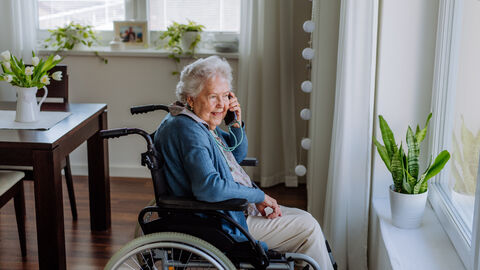
Handicap-accessible homes are modified to help people with disabilities or mobility impairments. Those who need these modifications may include people who rely on wheelchairs or walkers or have difficulty navigating stairs. Customized accessibility adaptations offer a higher quality of life and ensure you can perform daily tasks safely and independently.
Key Features of Handicap-Accessible Homes
Wider Doorways and Hallways
Accessible homes often have wider doorways (at least 32 inches) and hallways (minimum 36 inches), allowing for easier navigation.
Zero-Step Entrances
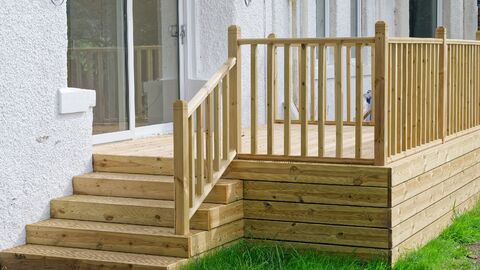
Entries without steps ensure getting in and out of the home is smooth and safe.
Accessible Bathrooms
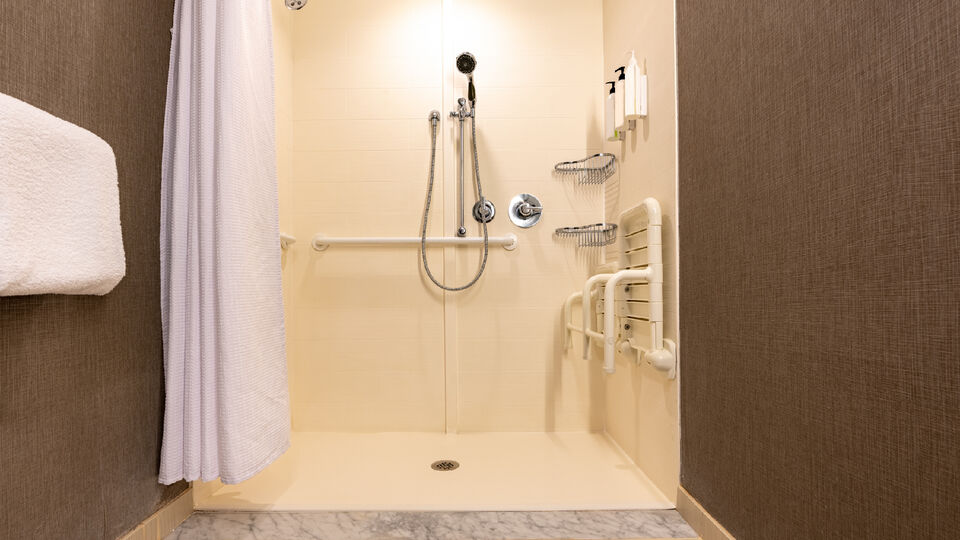
Bathrooms are a common place where people slip and fall. Adaptations like grab bars, roll-in showers and lowered sinks are essential.
Adaptive Kitchen Design
Lowered countertops and side-opening ovens allow people with mobility limitations to prepare and cook meals without assistance.
Smart Home Technology
From voice-controlled lights to automated doors, smart home features can be useful for those with limited dexterity or mobility.
A Room-by-Room Transformation
Transforming a home into a fully accessible space usually involves assessing rooms individually and considering how each can be adapted:
Entrances and Exits
- Zero-step entries and widened doors
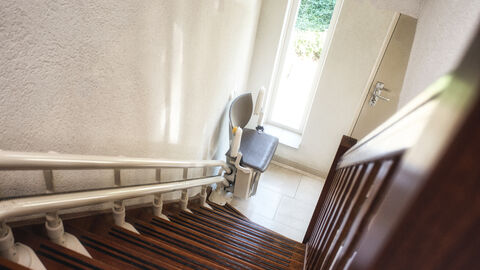
- Ramps or mobility lifts as needed
- Handrails for added safety
Living Areas
- Open layouts with fewer obstructions
- Lever-style door handles instead of knobs
- Accessible electrical outlets and light switches at accessible heights
Bathrooms
- Roll-in showers with seating
- Grab bars near the toilet and shower
- Adjustable-height sinks and mirrors
Kitchens
- Pull-out shelves and drawers instead of cabinets
- Side-opening ovens and dishwashers
- Adjustable-height workspaces
Empowering Independence Through Accessibility
The purpose of a handicap-accessible home goes beyond convenience — it is about preserving independence and dignity. The main advantages include safety, functionality, comfort and the ability to age in place.
How Havenside Can Help You Upgrade Your Home
Whether you need minor adjustments or a complete accessibility renovation, we guide you through the process with comprehensive assessments, customized solutions and ongoing support. Contact us today.