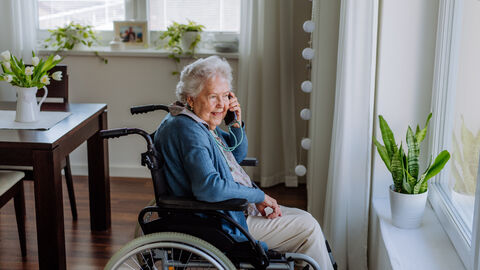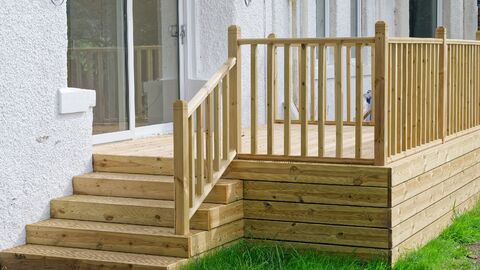

Imagine you have lived in your home for decades. Each room is filled with memories, and every corner has a story. But as time passes, activities like reaching things from the cabinets, navigating the stairs and moving from room to room become increasingly difficult. What was once a simple daily routine now feels like an overwhelming challenge. It may even feel as though you may need to move.
The good news is that there are alternatives to giving up your cherished home. Many resources offer the perfect solutions for aging at home independently.
Remaining in Your Home With Confidence
One of the most significant advantages of modifying a house for aging at home is that it allows individuals to stay independent despite physical limitations, even when the house has begun to pose some difficulties and obstacles.
Remaining at home offers both emotional and financial benefits, including:
The Emotional Impact
Home modifications provide a way to maintain independence and emotional comfort without relocation.
Maintaining a Sense of Independence
Being able to navigate your home freely without the need for constant assistance fosters a sense of independence and can improve overall quality of life.
Practical Benefits
- A report by the CDC notes that falls are the leading cause of injury among older adults. Proactive modifications can significantly reduce the fall risk within your home.
- Relocation can be time-consuming and expensive; simple home modifications often require a much smaller investment.
- Some modifications may be covered by Medicare in certain situations.
What Are Some Possible Modifications for Aging at Home?
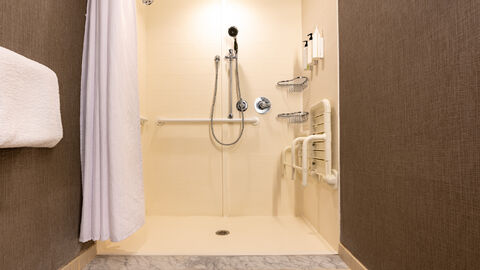
Bathroom Remodeling
Walk-in tubs/showers with grab bars; non-slip flooring; accessible vanities and adjustable fixtures.
Mobility Lifts
Ceiling-mounted or portable options to facilitate safe movement between areas.
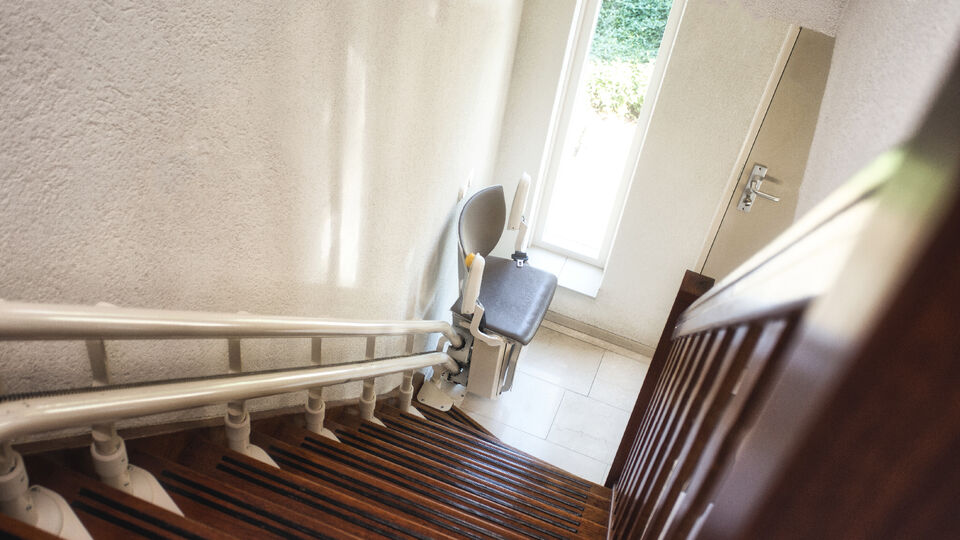
Stairlifts
Customized to fit straight/curved/interior/exterior stairs, enabling access to all levels of the home.